Exploring The Concept Of A Nelson Mandela Clone: A Journey Of Identity And Legacy
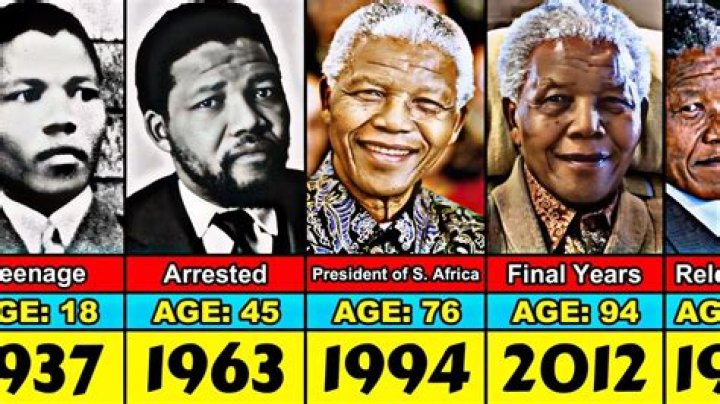
The idea of creating a clone of a prominent figure like Nelson Mandela raises intriguing questions about identity, legacy, and the ethical implications of cloning technology. As one of the most revered leaders in modern history, Mandela's life and contributions to society have left an indelible mark on the world. The concept of cloning, particularly in reference to such an influential individual, invites us to delve deep into what it means to replicate not just a person’s physical form but also their spirit, values, and impact on humanity.
In this article, we will explore the various facets of the "Nelson Mandela clone" phenomenon, examining the scientific, ethical, and philosophical dimensions surrounding cloning a figure of Mandela's stature. From understanding who Nelson Mandela was to discussing the potential implications of a clone bearing his name, we will navigate this complex topic with sensitivity and insight.
As society stands on the brink of technological advancements that could make cloning a reality, contemplating the implications of a Nelson Mandela clone becomes essential. Would a clone possess the same wisdom, compassion, and leadership qualities that made Mandela a global icon? Join us as we explore these captivating questions and more.
Who Was Nelson Mandela?
Nelson Mandela, born on July 18, 1918, in Mvezo, South Africa, was a key figure in the struggle against apartheid, ultimately becoming the first black president of South Africa from 1994 to 1999. His life story is one of resilience, leadership, and a relentless pursuit of justice and equality. Mandela's legacy continues to inspire countless individuals worldwide.
Nelson Mandela's Biography
| Detail | Information |
|---|---|
| Name | Nelson Rolihlahla Mandela |
| Date of Birth | July 18, 1918 |
| Date of Death | December 5, 2013 |
| Nationality | South African |
| Occupation | Anti-apartheid revolutionary, political leader, philanthropist |
| Political Party | African National Congress (ANC) |
| Major Achievements | Nobel Peace Prize (1993), South Africa's first black president |
What Does a Nelson Mandela Clone Represent?
The idea of a Nelson Mandela clone goes beyond the mere replication of DNA; it embodies the quest for the qualities that made Mandela a transformative leader. A clone could symbolize the continuation of Mandela's fight for justice, equality, and human rights. However, it also raises complex questions about authenticity and the essence of what makes a leader influential.
Could a Clone Truly Capture Mandela's Essence?
One of the most compelling questions surrounding the concept of a Nelson Mandela clone is whether a clone could genuinely embody the values and spirit of Mandela. While cloning technology might allow for the physical reproduction of Mandela's genetic material, the nuances of personality, experience, and moral integrity cannot be easily transferred. Would a clone be able to replicate Mandela's wisdom, empathy, and commitment to social justice?
What Are the Ethical Implications of Cloning a Historical Figure?
The ethical considerations surrounding cloning are vast and complex. Cloning a figure like Nelson Mandela raises questions about consent, identity, and the potential commodification of a person's legacy. Furthermore, it invites discussions on whether it is morally acceptable to recreate someone who has passed away, especially a figure who has played such a pivotal role in history.
How Could a Nelson Mandela Clone Impact Society?
Imagining the societal impact of a Nelson Mandela clone opens up a myriad of possibilities. Would a clone serve as a living reminder of Mandela's teachings, inspiring new generations to uphold his principles? Conversely, could the existence of a clone dilute the authenticity of Mandela's legacy, leading to potential misinterpretations of his values? These questions highlight the delicate balance between remembrance and replication.
What Are the Scientific Limitations of Cloning?
While the science of cloning has made significant strides, there are still considerable limitations to what can be achieved. Cloning, particularly human cloning, involves numerous challenges, including ethical concerns, technical difficulties, and the potential health implications for the clone. Current technology has not yet reached a point where a clone could be created with the same consciousness or life experiences as the original.
Can Cloning Preserve a Legacy?
As society grapples with the implications of cloning a figure like Nelson Mandela, the question arises: can cloning truly preserve a legacy? While a clone may carry the name and likeness of Mandela, the essence of his contributions to humanity cannot be encapsulated in a physical form. Legacy is built on actions, ideals, and the impact one has on the world, aspects that a clone would struggle to replicate.
Conclusion: The Future of Cloning and Legacy
The concept of a Nelson Mandela clone invites us to reflect on profound questions about identity, legacy, and the evolving landscape of science and ethics. While the technology may one day allow for cloning, the essence of what makes a leader like Mandela cannot be merely reproduced. As we continue to explore the frontiers of science, it is essential to engage in thoughtful discourse about the implications of cloning and the significance of preserving the legacies of those who have shaped our world.
Discovering The World Of Jackerman All Animations
Unraveling The Mystery: What Did Aubreigh Wyatt Do To Commit?
Unveiling Auberie Wyatt: A Journey Through Life And Art
